
Brake pads rarely fail overnight. They give clear, escalating warnings — and the cheapest fix is always early replacement.
1. A high-pitched squeal when braking
Most modern pads include a metal wear indicator designed to squeal when the friction material wears to a few millimetres. It is a deliberate alarm, not a malfunction.
2. A pulsating or vibrating brake pedal
Pulsation through the pedal usually means uneven pad deposits or a warped disc — not “ABS acting up”. Left alone, it gets expensive.
3. The car pulls to one side
Amlost always a sticking caliper or uneven pad wear. Brake balance matters for safety in the wet — have it inspected.
4. Grinding metal sound under braking
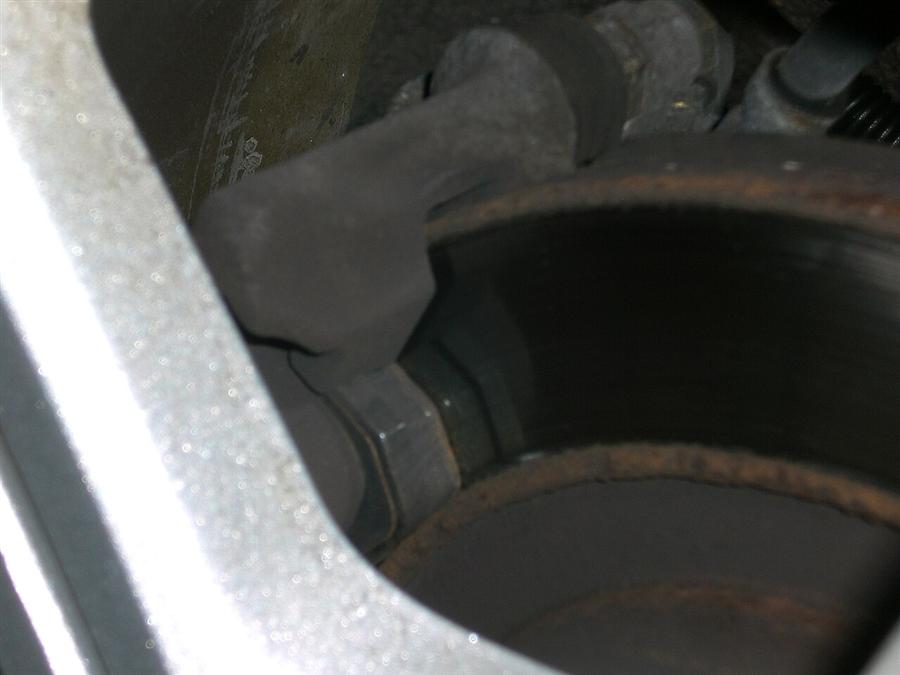
That means the friction material is already gone and the backing plate is scoring the disc. Stop driving if you can. This is the step that turns a £20-pad job into discs + pads + labour.
5. A longer stopping distance or a soft pedal
Thin pads compensate by heating the same disc surface harder, fading friction. If your pedal travel is growing, do not wait for the squeal.
How we build our brake range
Every pad we list carries its R90 homologation, axle position and reference part number, and we stress-check fitment before shipping. When in doubt, send us your registration: a wrong pad shipped is our mistake, not yours, and our 30-day returns covers distance orders.